
Zero Waste

Zero Waste
Type
Study Case
Category
Year
2022
The Overview

Zero Waste is a mobile app designed to make it easier for you to recycle unused items in your home or office. Forget about piles of cardboard boxes, plastic bottles, or unused electronics. With Zero Waste, you can turn them into cash while contributing to a cleaner environment.
The Problem
Behind the creation of this Zero Waste application, there are quite important problems, especially from the environmental side and the side of the community that does not pay much attention to recycling problems.
Lack of attention to the importance of recycling
Increase in Waste & Lack of Segregation
Environmental pollution due to poorly managed waste
Limited recycling access
The Solution
Based on the results of the initial research that has been carried out, the solution offered includes two sides
Responsbilities
This case study is an individual activity that is done for 1 month, with the limitations of the existing team I do these 3 activities individually
Tools used :




The Design Process
Let's start from creating a User Persona for Zero Waste. User personas are semi-fictional representations of our ideal users, based on data and assumptions about their demographics, challenge, and goals.
Next, let's create an Empathy Map and Journey Map for each persona. Empathy Map helps us understand users more deeply by identifying what they see, hear, think, feel, say and do.


Entering the solution exploration phase.
After understanding the user journey deeply, the next agenda is Lightning Demos. This is an opportunity to gather ideas and inspiration from various references before we start sketching.


Quick Sketching
The next stage in our design process is Crazy 8s and also determines the detailed design that will be used during the high fidelity stage. This method aims to generate many ideas quickly through sketching 8 sketches in 8 minutes.
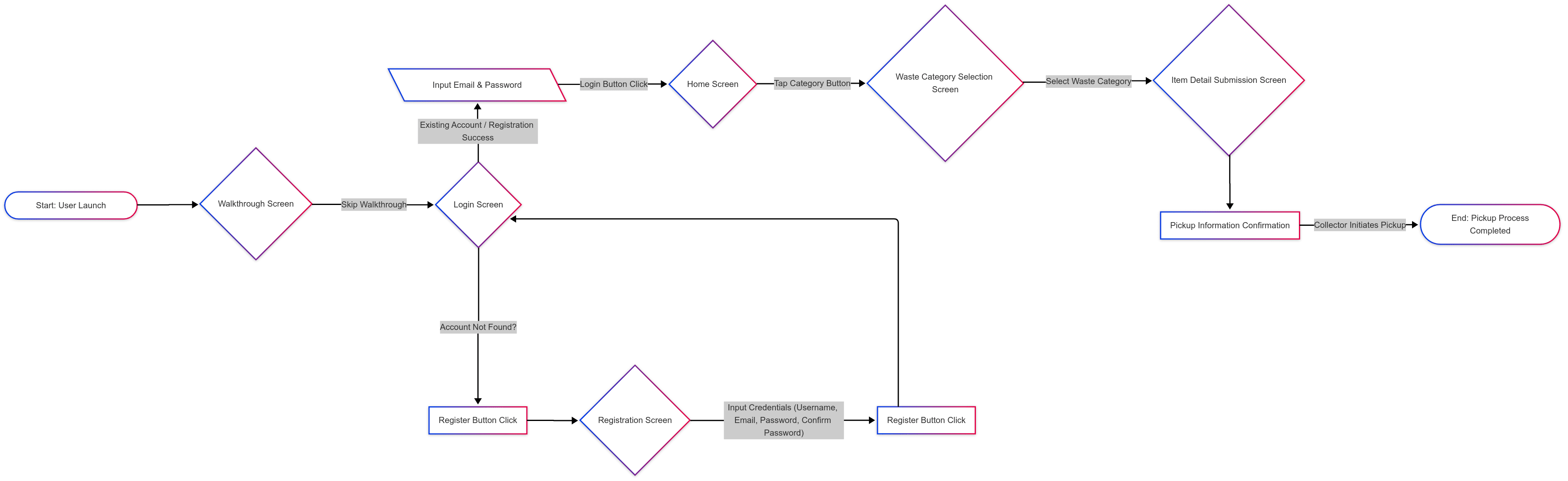
To ensure accurate implementation, we will do a Detailed User Flow Explanation based on the flowchart we have defined.
Wireframe
We've been collecting ideas through Crazy8s. Now it's time to give shape to those ideas. Next up is Wireframe creation, where we will focus on the framework and functionality without visual details.

Branding
Now, we will move on to the Branding stage to create a strong and recognizable image for the Zero Waste app. Focus on how we want users to feel and remember our brand.
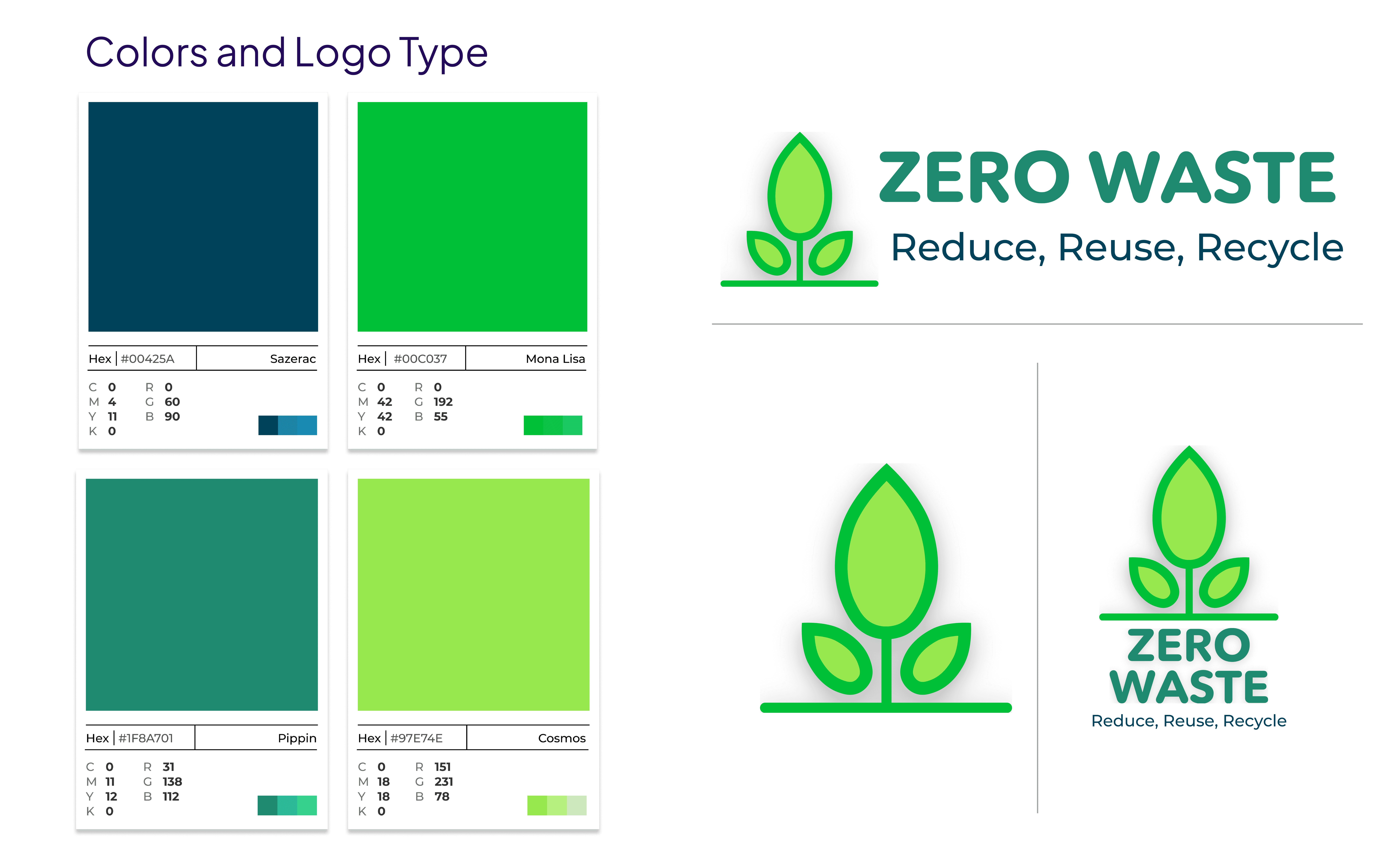
Building Readability and Visual Character
Explore one of the crucial elements in visual identity, Typography. We will select and specify the right fonts to ensure legibility, brand consistency, and convey the appropriate message for the Zero Waste app.

Intuitive and easy-to-use design
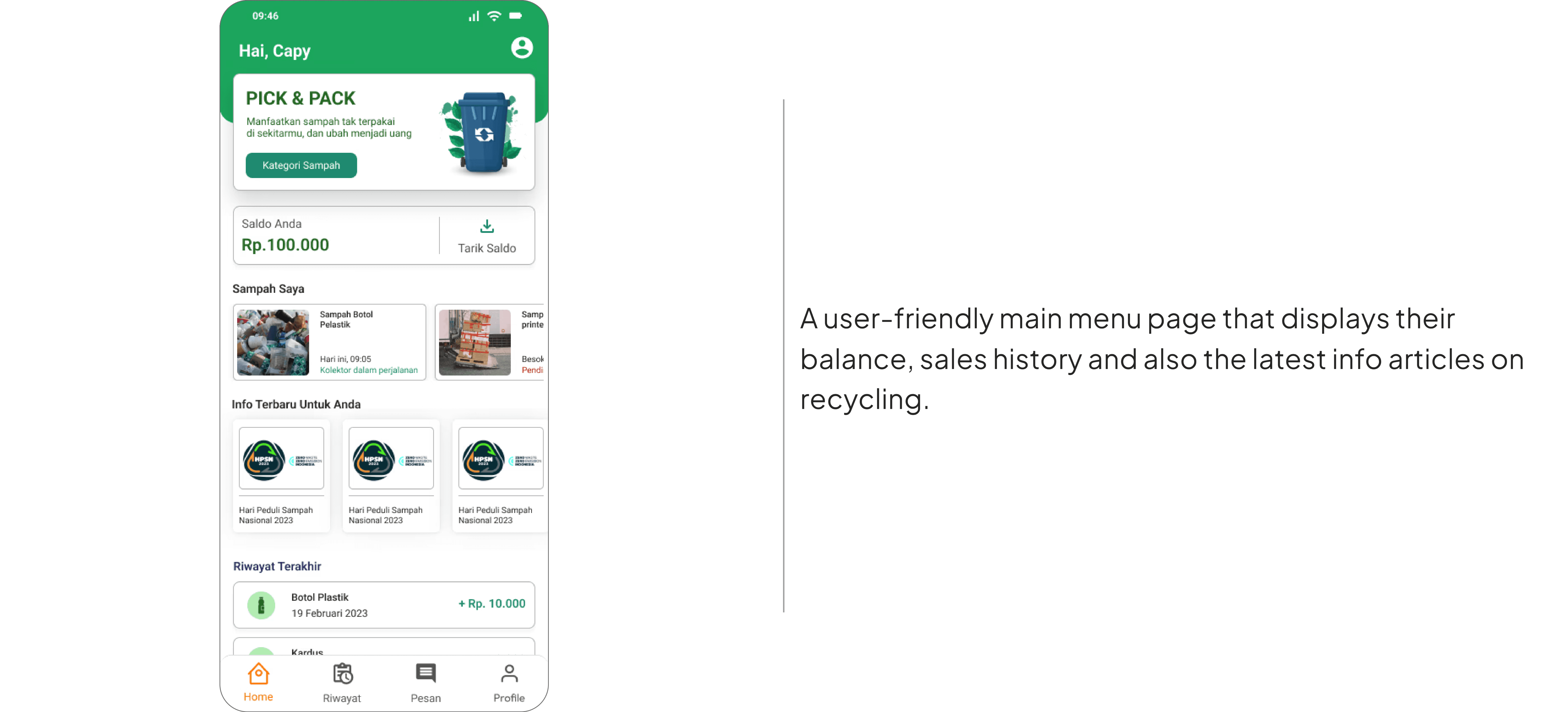
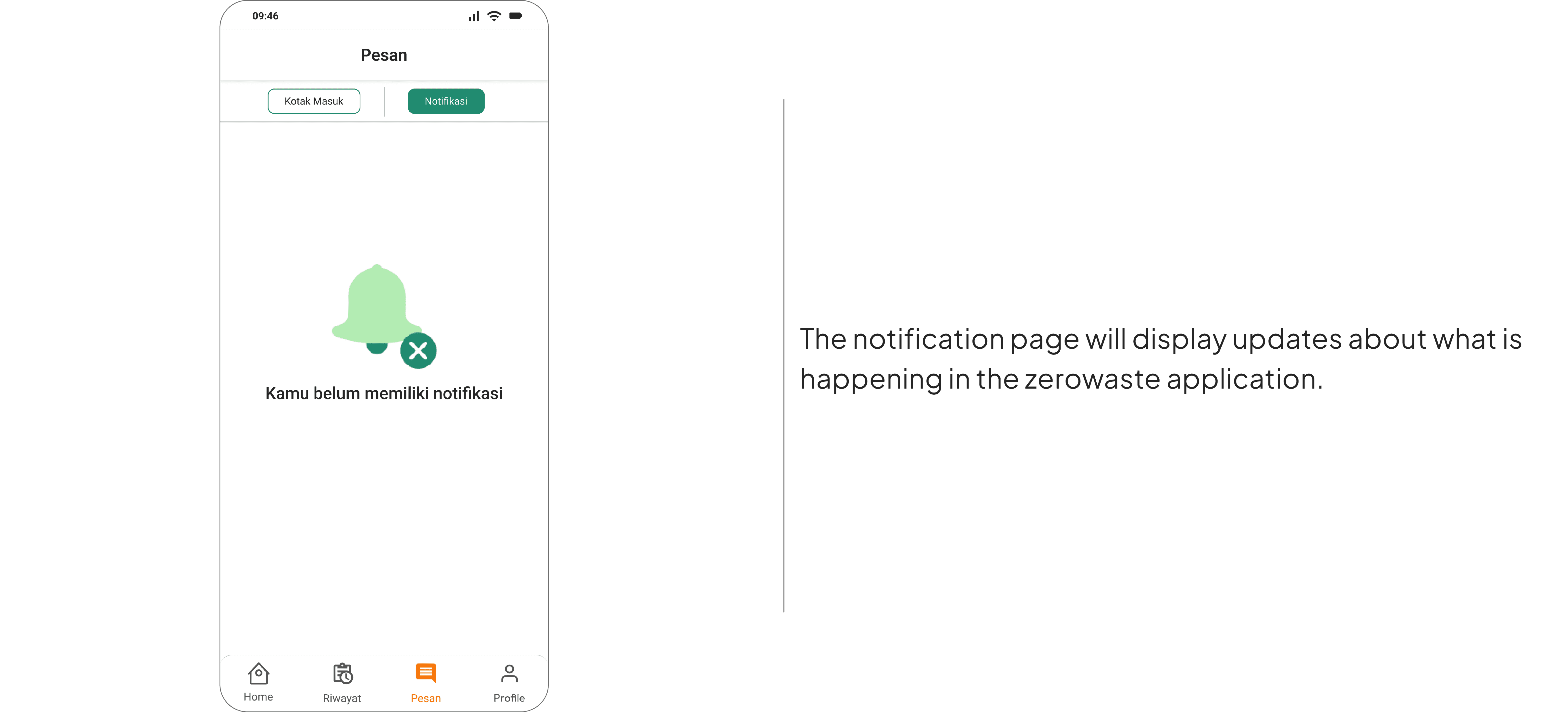
Clean look, optimized functionality. The Zero Waste app is designed with a minimalist aesthetic and a very user-friendly interface, to keep your focus on doing good for the environment, without getting bogged down by complexity.




Usability Test and Result
The main purpose of this test is to evaluate the usability, efficiency, and satisfaction of users when interacting with the core features of the application,


The Result
Usability testing of the Zero Waste application has been successfully carried out involving 11 participants who represent the target user profile. The testing focused on the core flows of registration/login and submission of recycling pick-up requests. Overall, the app showed strong potential in providing practical and valuable recycling solutions, with most participants able to complete the key tasks.
Recommendations & Next Steps
Onboarding enhancements, Make sure the app's value proposition is conveyed very clearly from the welcome screen and walkthrough page.
Detail Input Simplification, Provide hints, examples, or a more structured input format for information such as weight and item description.
Price Transparency Optimization, Consider displaying more dynamic price estimates or easily accessible price guides early in the submission process.
Final Prototype

Fragment Visual


